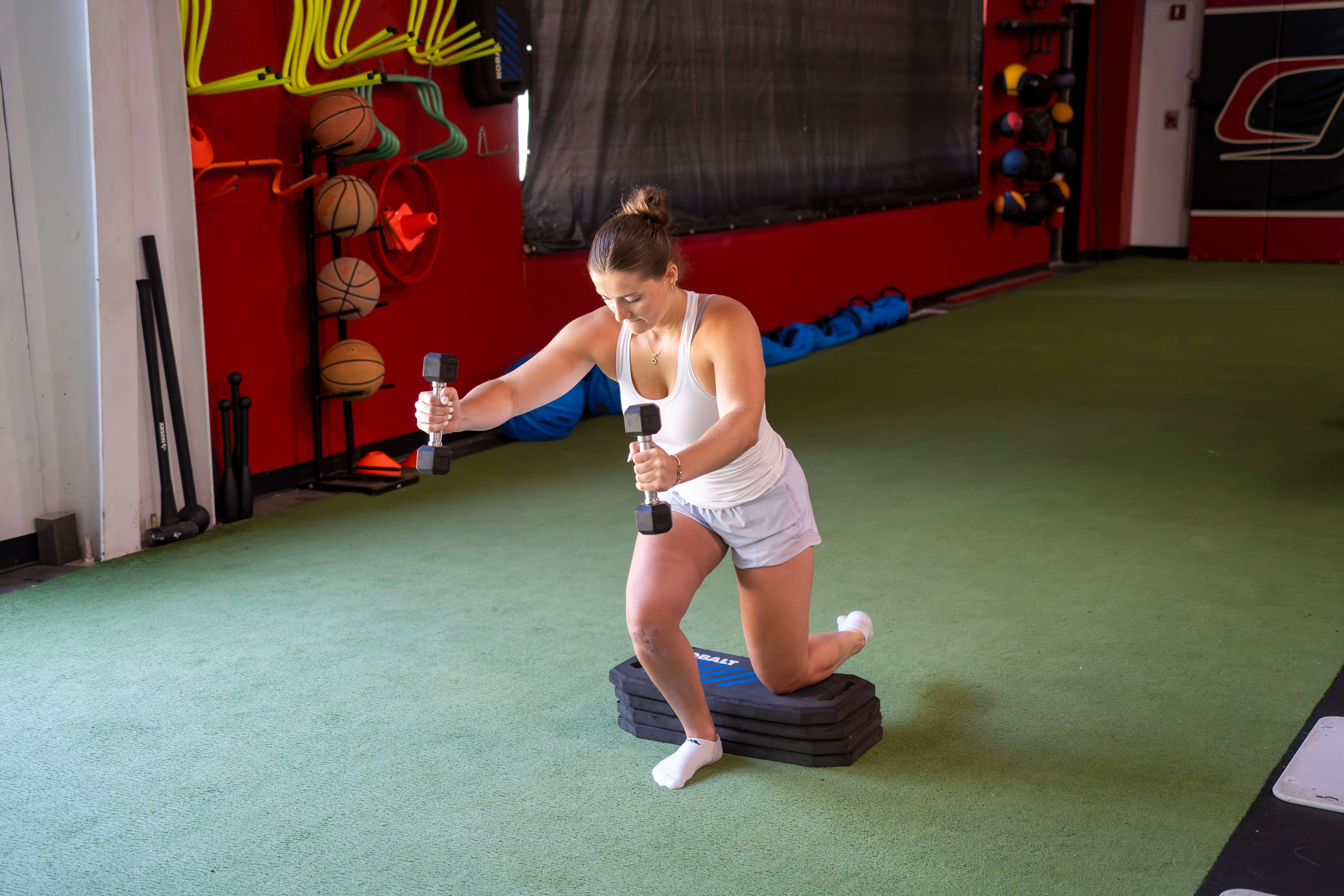
Return to Running Physical Therapy in Hudson, MA
The Road Back Starts Here
Runners come to us when hip, knee, shin, or foot issues keep interrupting their training. At Move Strong, you get a 1-on-1 return-to-running plan built around your mechanics, your mileage goals, and what it actually takes to run pain-free again.
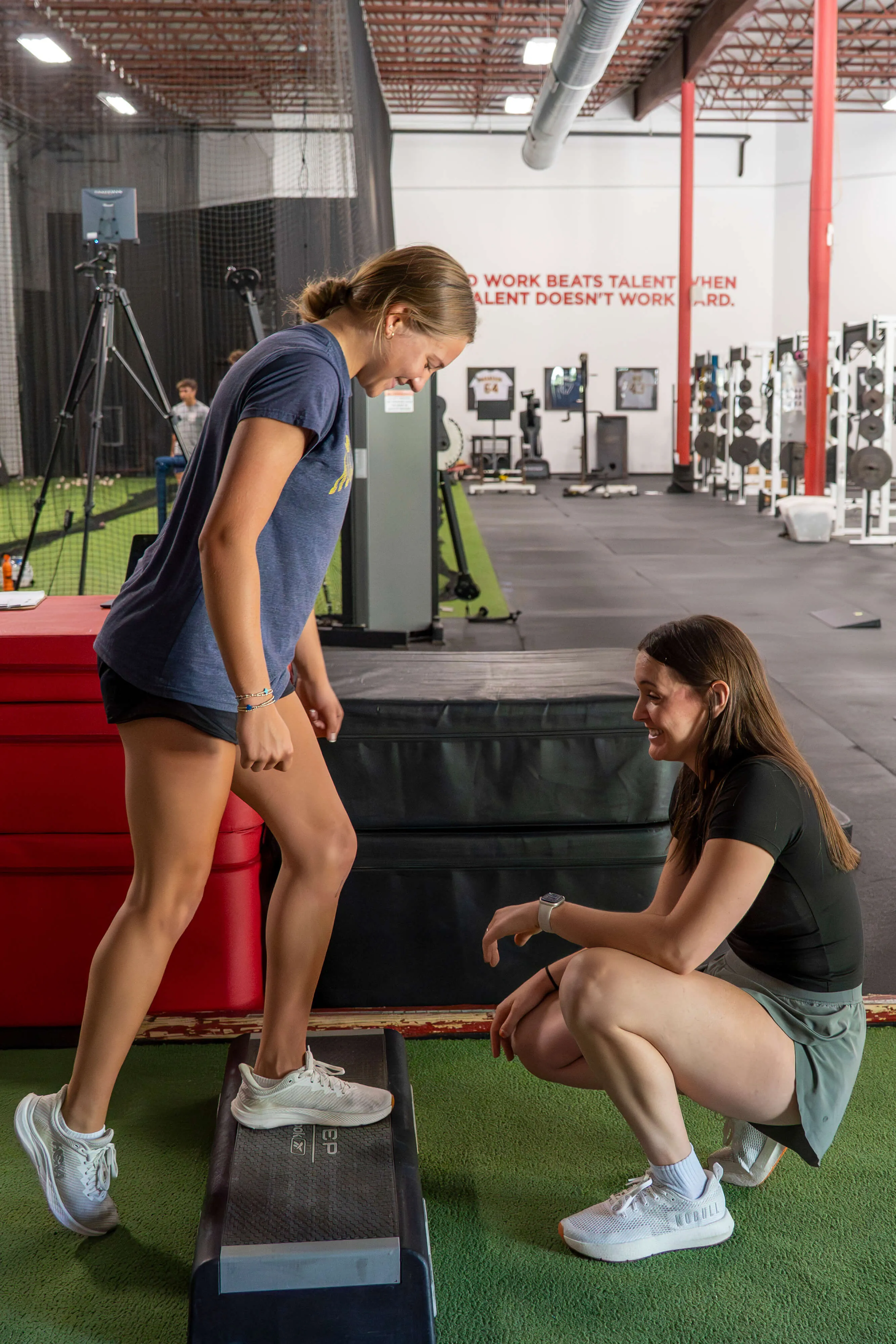
What Happens When Running Injuries Go Unaddressed
You Keep Losing Fitness
Every week off the road means lost aerobic base, lost muscle, and a longer rebuild. The longer the issue drags on, the harder the comeback gets.
Compensations Create New Problems
Running through pain changes your gait. Those compensations load other tissues and often create a second injury before the first one resolves.
You End Up Back at Zero
Guessing at a return timeline and going too hard too soon is the most common reason runners are sidelined longer than they need to be.
Return-to-Running PT Built on Objective Data
At Move Strong, getting you back on the road is not a guess. Running gait analysis, force plate testing, and 1-on-1 PT work together so every progression in your plan is earned, not assumed.

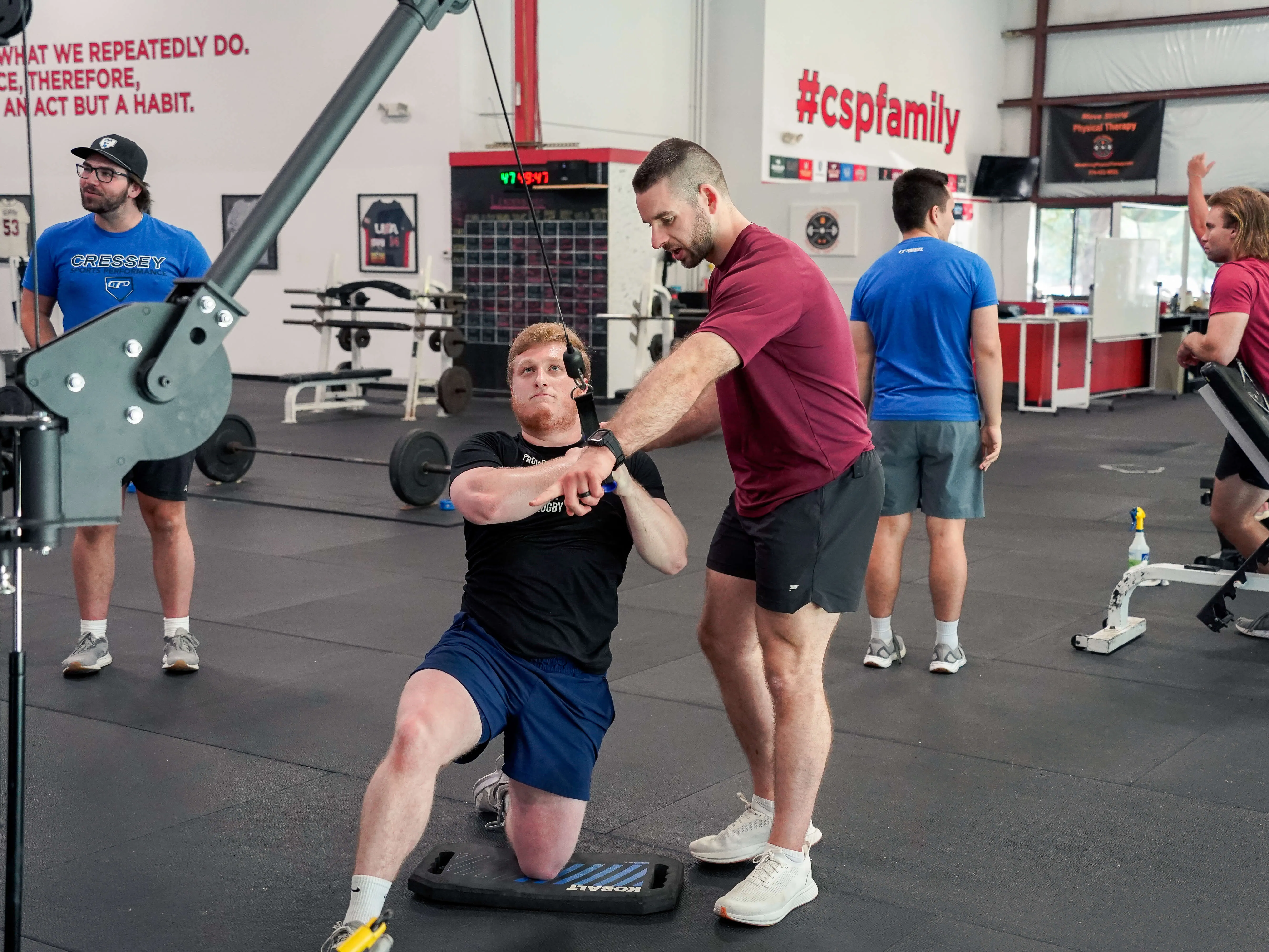

Running Injuries We Work With
Runners come to Move Strong dealing with a wide range of overuse, acute, and chronic injuries. If it is getting in the way of your training, we want to hear about it.
Runner's Knee (Patellofemoral Pain) - Pain under or around the kneecap that builds with mileage, stairs, or downhill running and does not resolve with rest alone.
IT Band Syndrome - Lateral knee or hip pain that typically flares during a run and becomes a reliable wall at a specific mileage or effort level.
Achilles Tendinopathy - Stiffness and pain at the back of the ankle that limits early-morning movement and flares with speed work, hills, or long runs.
Three Steps Back to What You Love
Start With a Free Phone Consult
Tell us what is going on and what you want to get back to. We will let you know if we are the right fit and what to expect next. No commitment, no pressure.

Get a Thorough Evaluation and a Tailored Plan
Your first session is a deep dive. We assess how you move, identify what is holding you back, and build a plan that fits your goals, your sport, and your schedule.

Follow Your Plan and Get Back in the Game
Progress through a guided rehab and performance program with objective checkpoints along the way so you always know how far you have come, and where you are headed.
Runners Back on the Road With Move Strong
Here's what athletes and active adults in Hudson say about their return-to-running experience at Move Strong Physical Therapy.




Frequently Asked Questions
Here are the most common questions runners ask about what to expect from return-to-running PT at Move Strong.
Rest can help acute soreness settle, but it does not fix underlying mechanics or strength deficits that caused the injury. If the same issue keeps coming back or has lasted more than a few weeks, a PT evaluation is the faster path back. We will help you understand what is driving the problem and build a plan that addresses it at the source.
Not necessarily. Our goal is to keep you moving as much as your tissue can safely handle while we work on the root cause. In many cases we modify volume or intensity rather than stopping altogether. Your plan will include clear guidance on what is okay to do between sessions so you are not left guessing.
Your plan starts with a thorough evaluation — often including running gait analysis and objective strength testing — so we have a clear picture of what is driving your injury. From there, we build a progressive plan that moves you through pain management, tissue loading, strength work, and structured running progressions until you are back training at the level you want to be.
At Move Strong, every session is 1-on-1 with the same clinician, no aides and no rotating staff. Your plan is built around running, not a generic protocol. We use running gait analysis and objective data tools that most standard PT clinics do not have, and every progression is based on what the data shows — not just how you feel that day.
We work with runners across the spectrum — from recreational joggers trying to build a consistent base to competitive athletes training for distance events. What matters to us is that running is something you care about and want to get back to. The level or pace does not factor into the quality of care you receive.
Still have questions?
Reach out and we'll be happy to answer any questions you have.
Ready to Run Again — Without Wondering When It's Going to Hurt?
Book your free phone consult and take the first step toward a 1-on-1 return-to-running plan built around your mechanics, your goals, and objective data — not guesswork.