IT Band Syndrome Physical Therapy in Hudson, MA
Stop the Wall. Keep Running.
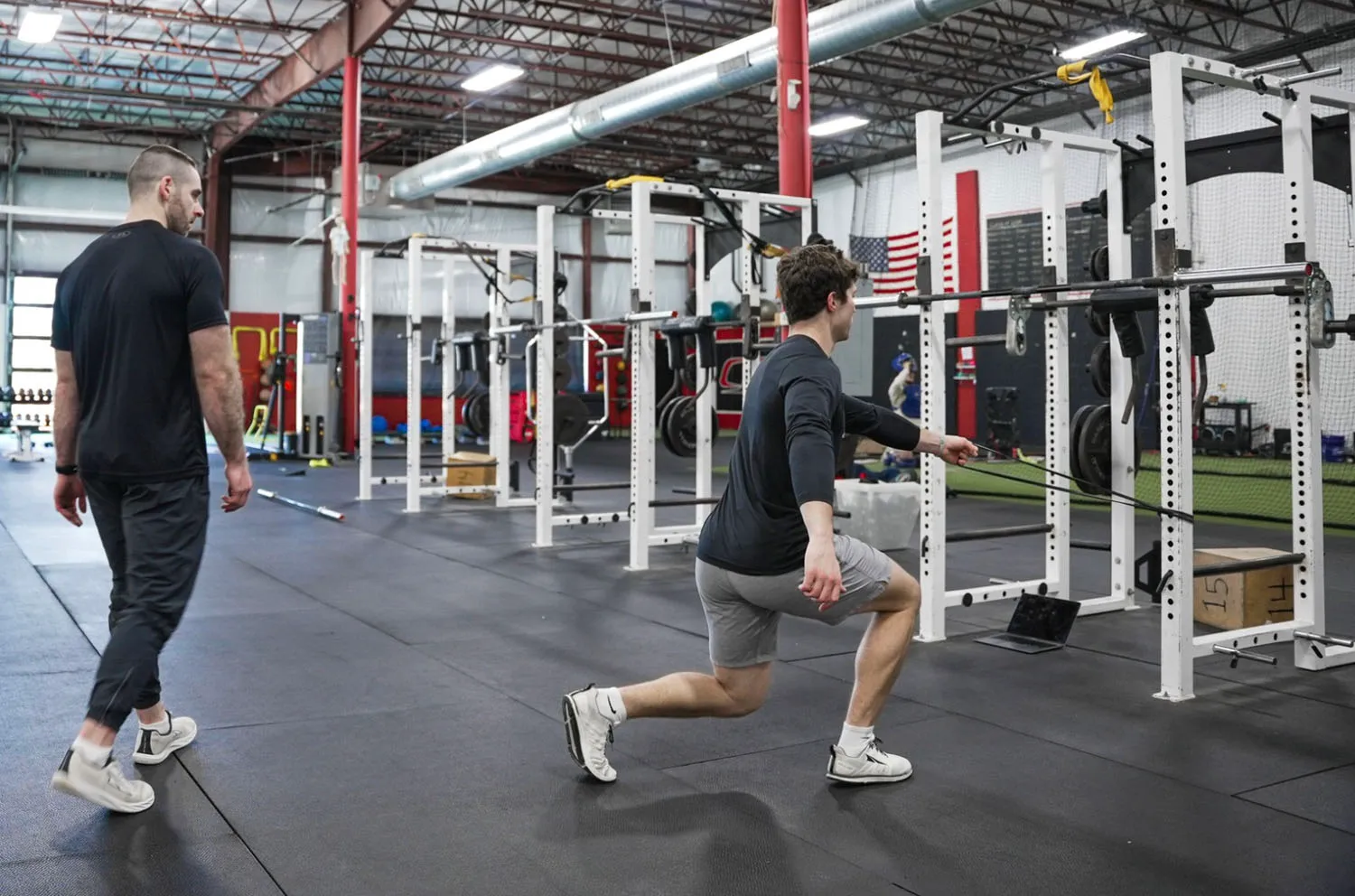
IT band syndrome has a way of shutting down a run at the same spot, every time. At Move Strong, we find what's driving the lateral knee pain — hip strength, running mechanics, training load — and build a plan to fix it at the source.
What Happens When IT Band Pain Goes Unaddressed
The Wall Gets Closer
That reliable stopping point in your run — one mile, three miles, wherever it hits — starts moving earlier. The window of pain-free running shrinks until it disappears.
Your Gait Starts to Compensate
Running around the pain changes how you load every other joint. Hip, knee, and ankle issues downstream are common when IT band syndrome goes too long without a real fix.
It Comes Back Every Training Cycle
Rest gets you back on the road. But without addressing the mechanics and strength gaps that caused it, the same lateral knee pain returns the moment mileage climbs again.
IT Band PT Built Around Why It's Happening
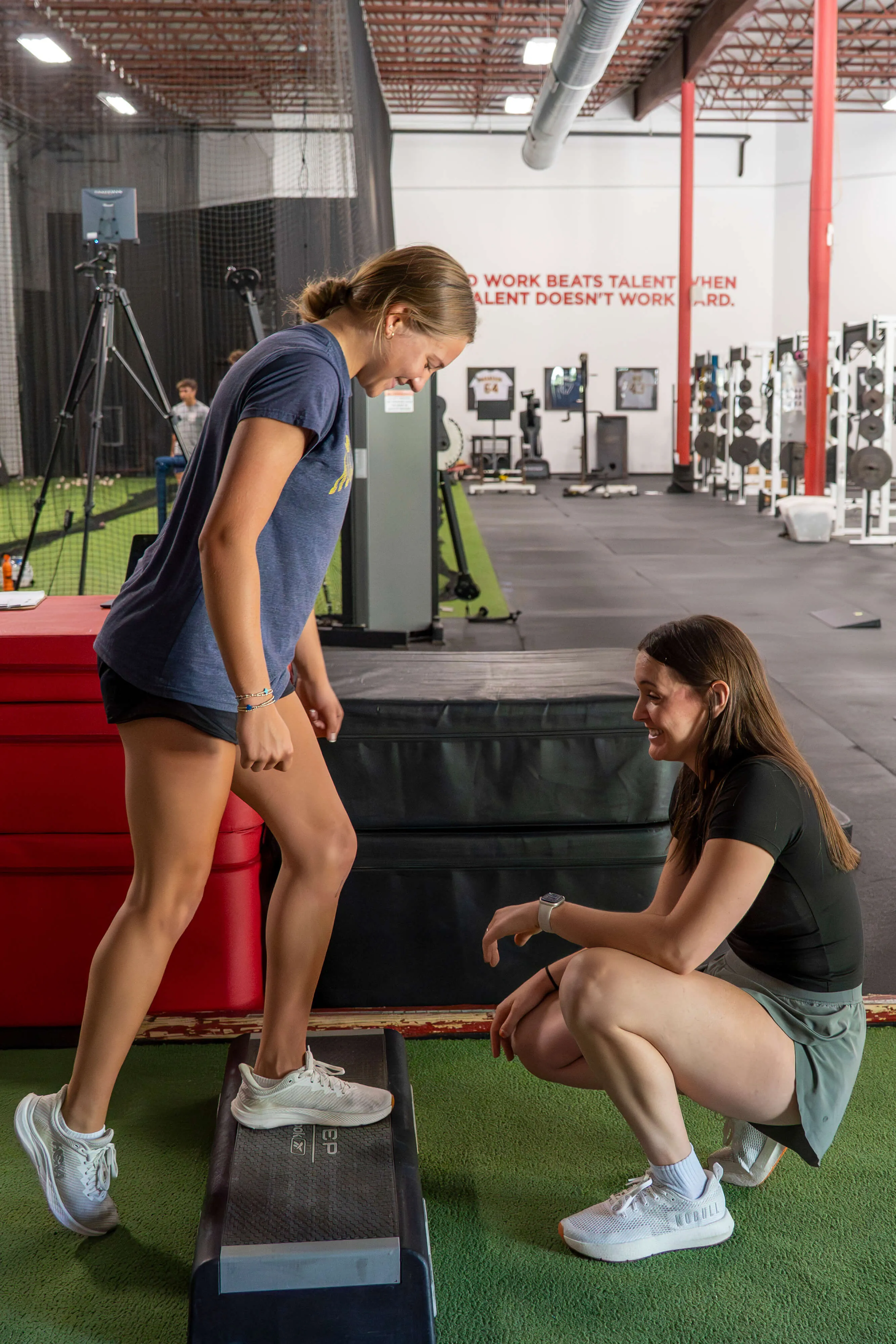
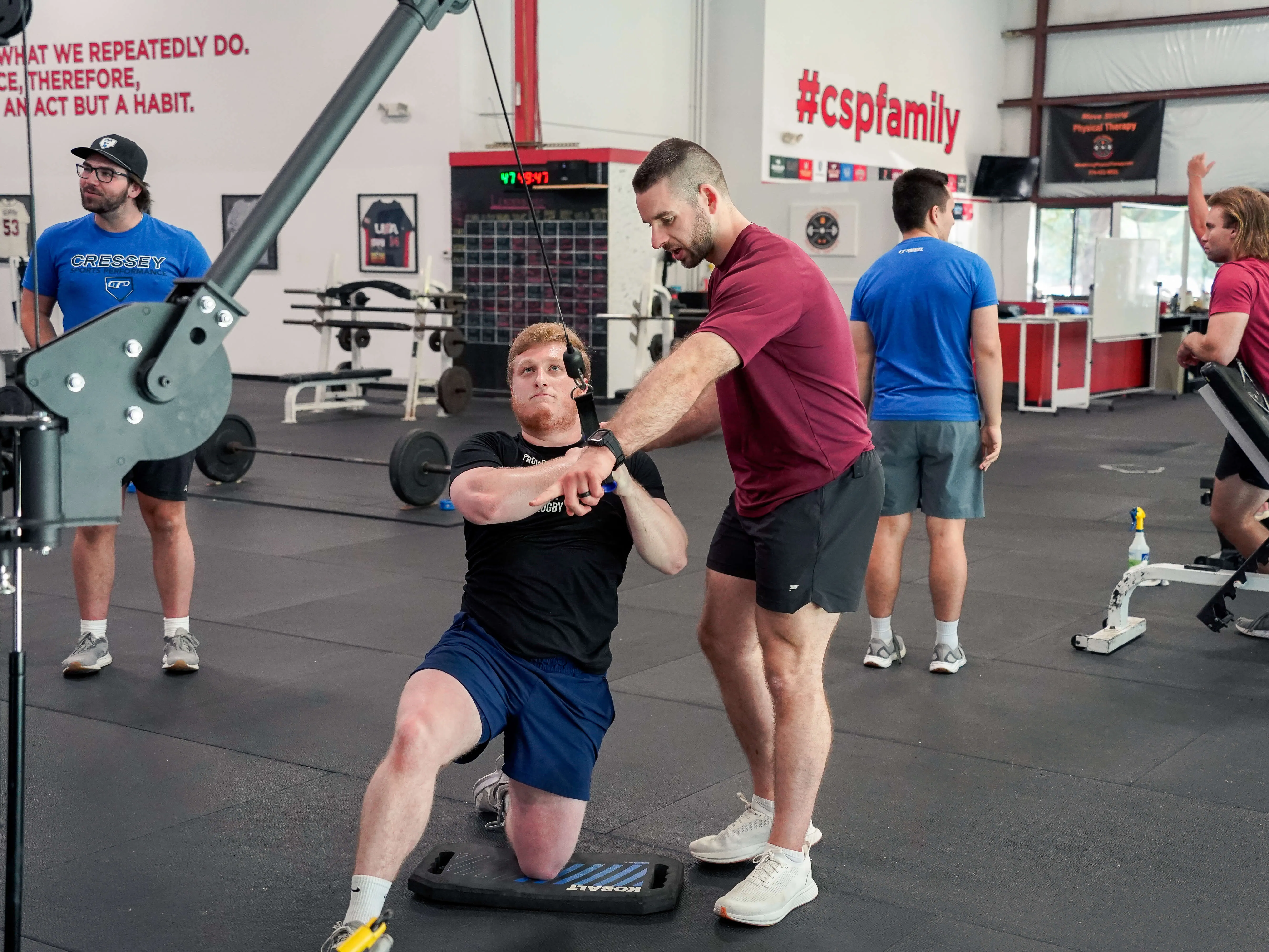
At Move Strong, IT band syndrome is not treated with rest and a generic hip strengthening protocol. Running gait analysis, force plate testing, and 1-on-1 PT work together to find the actual driver and build a plan that lasts.



What Runners With IT Band Syndrome Come to Us With
IT band issues rarely show up alone. Runners dealing with lateral knee pain often have related complaints that contribute to the pattern — and we address those too.
Lateral Knee Pain During Running - Sharp or burning pain on the outside of the knee that reliably appears at a specific point in a run and forces a stop or slowdown.
Hip Drop and Crossover Gait - Mechanics that increase lateral knee load with every stride — often the underlying driver of IT band syndrome in runners with adequate mileage but weak hip stabilizers.
Hip Abductor Weakness - Insufficient strength in the gluteus medius and surrounding muscles that allows the pelvis to drop and the knee to track inward under load.
Three Steps Back to What You Love

Start With a Free Phone Consult
Tell us what is going on and what you want to get back to. We will let you know if we are the right fit and what to expect next. No commitment, no pressure.

Get a Thorough Evaluation and a Tailored Plan
Your first session is a deep dive. We assess how you move, identify what is holding you back, and build a plan that fits your goals, your sport, and your schedule.

Follow Your Plan and Get Back in the Game
Progress through a guided rehab and performance program with objective checkpoints along the way so you always know how far you have come, and where you are headed.
Runners Back on the Road With Move Strong
Here's what athletes and active adults in Hudson say about their IT band syndrome recovery at Move Strong Physical Therapy.




Frequently Asked Questions
Here are the most common questions runners ask about IT band syndrome PT at Move Strong — what to expect, and how we approach it differently.
Rest reduces inflammation and lets the irritated tissue settle, but it does not fix the mechanics or strength deficits that caused the problem. If hip weakness, crossover stride, or a rapid mileage increase drove the initial flare, those factors are still there when training resumes. We find and address the actual driver so the same issue does not repeat the next time mileage climbs.
Not necessarily. In many cases we can modify your volume or intensity and keep you on the road in some form while we work on the root cause. Your plan will include clear guidance on what is safe to run between sessions so you are not left making those calls on your own. The goal is to keep you moving as much as your tissue can handle.
Your first session starts with a full evaluation, often including running gait analysis and strength testing, to identify what is driving your lateral knee pain. From there, we build a progressive plan focused on correcting the mechanics and building the hip and lower-body strength needed to handle your training load — and we structure a clear return-to-running progression so you know exactly what full recovery looks like.
Every session at Move Strong is 1-on-1 with the same clinician from start to finish — no aides, no rotating staff. We use running gait analysis and objective testing tools that most standard clinics do not have, and your plan is built around running specifically, not a generic lower-extremity protocol. Every decision about your progression is based on data, not just how you feel that day.
Recovery timelines vary depending on how long the issue has been present, your training history, and how quickly mechanics and strength respond to treatment. Many runners notice meaningful improvement within several weeks. We use objective benchmarks to guide your return so progression is based on what the data shows — not just a calendar estimate.
Still have questions?
Reach out and we'll be happy to answer any questions you have.
Done Hitting the Same Wall Every Run?
Book your free phone consult and take the first step toward a 1-on-1 IT band syndrome plan built around your mechanics, your mileage, and objective data — not guesswork.