Spinal stenosis is a condition that occurs when the spaces within the spine narrow, putting pressure on the spinal cord and nerves. This can lead to symptoms such as back pain, numbness, and difficulty walking. Physical therapy is a key treatment for managing the symptoms of spinal stenosis, offering non-invasive solutions that improve mobility, reduce pain, and strengthen the muscles that support the spine.
At Move Strong in Hudson, MA, we specialize in providing personalized physical therapy programs to help individuals manage spinal stenosis and improve their quality of life. With Hudson physical therapy near me, you can find relief from spinal stenosis and regain your mobility.
What is Spinal Stenosis?
Spinal stenosis occurs when the spaces in the spine become narrowed, which can compress the spinal cord and the nerves branching out from the spine. Common causes of spinal stenosis include:
- Degenerative Changes: Age-related wear and tear on the spine, such as osteoarthritis or disc degeneration, can lead to spinal stenosis.
- Herniated Discs: When the discs between vertebrae bulge or rupture, they can put pressure on the nerves, contributing to stenosis.
- Bone Spurs: Overgrowth of bone due to arthritis or other conditions can narrow the spinal canal, leading to nerve compression.
At Move Strong, our Hudson physical therapists work with individuals to address the underlying causes of spinal stenosis and develop treatment plans that help manage symptoms and improve mobility.
How Physical Therapy Helps with Spinal Stenosis
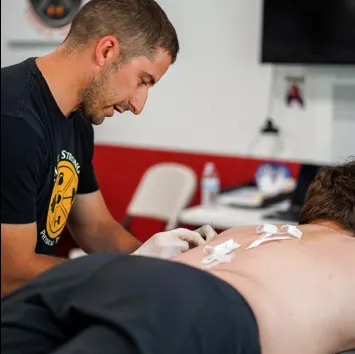
- Pain Relief through Manual Therapy: Physical therapists use manual therapy techniques, such as joint mobilization and soft tissue manipulation, to relieve tension in the muscles surrounding the spine, reduce inflammation, and alleviate pain.
- Core Strengthening and Stability: Strengthening the core muscles is crucial for supporting the spine and reducing the pressure on the spinal cord. Physical therapy includes exercises that target the abdominal and back muscles to improve stability and reduce pain.
- Stretching and Flexibility: Tight muscles can exacerbate spinal stenosis symptoms by pulling on the spine and limiting movement. Physical therapy incorporates stretching exercises that help improve flexibility in the spine, hips, and legs.
By focusing on these key areas, physical therapy helps individuals manage spinal stenosis symptoms and improve their overall mobility and quality of life.
The Benefits of Physical Therapy for Spinal Stenosis
- Non-Invasive Pain Relief: Physical therapy provides a non-invasive solution for managing spinal stenosis, offering long-term pain relief without the need for surgery or medications.
- Improved Mobility and Function: Spinal stenosis can limit mobility, making it difficult to perform daily activities. Physical therapy helps restore range of motion and improve function, allowing individuals to move more freely and with less discomfort.
- Long-Term Symptom Management: In addition to treating the current symptoms of spinal stenosis, physical therapy helps individuals prevent future flare-ups by strengthening the muscles that support the spine and improving posture.
In addition to relieving pain, physical therapy empowers individuals by giving them the tools and knowledge they need to maintain their progress and prevent future issues.
Customized Spinal Stenosis Treatment at Move Strong
At Move Strong, we believe in providing individualized care for each patient. Our Hudson physical therapy clinic offers customized treatment programs for spinal stenosis designed to address your unique needs and condition.
During your initial evaluation, our physical therapists will assess your mobility, strength, and posture to develop a personalized treatment plan. Whether you’re dealing with chronic pain or limited mobility due to spinal stenosis, we’ll provide the care and guidance you need to manage your symptoms and improve your quality of life.
Physical therapy is a highly effective treatment for managing spinal stenosis, offering non-invasive solutions that relieve pain, improve mobility, and strengthen the spine. At Move Strong in Hudson, MA, we specialize in helping individuals manage spinal stenosis and regain their ability to move comfortably.
If you’re ready to find relief from spinal stenosis and improve your quality of life, contact Hudson physical therapy near me today.
Frequently Asked Questions
How does physical therapy help manage spinal stenosis?
Physical therapy helps manage spinal stenosis by reducing pain through manual therapy, strengthening the core muscles to support the spine, and improving flexibility with targeted stretching exercises.
What are common causes of spinal stenosis that physical therapy can address?
Physical therapy can address spinal stenosis caused by degenerative changes, herniated discs, and bone spurs by relieving tension, improving posture, and strengthening the muscles that support the spine.
How long does it take to see improvements with physical therapy for spinal stenosis?
Many individuals begin to notice improvements in pain and mobility within a few weeks of consistent physical therapy, though results may vary depending on the severity of the condition.
Can physical therapy provide long-term relief from spinal stenosis symptoms?
Yes, physical therapy offers long-term relief by addressing the underlying causes of spinal stenosis, improving strength and flexibility, and teaching individuals how to manage their symptoms.
Is physical therapy personalized for each patient’s spinal stenosis condition?
Yes, physical therapy programs are tailored to each patient’s specific spinal condition, mobility challenges, and overall health goals to ensure the best results.