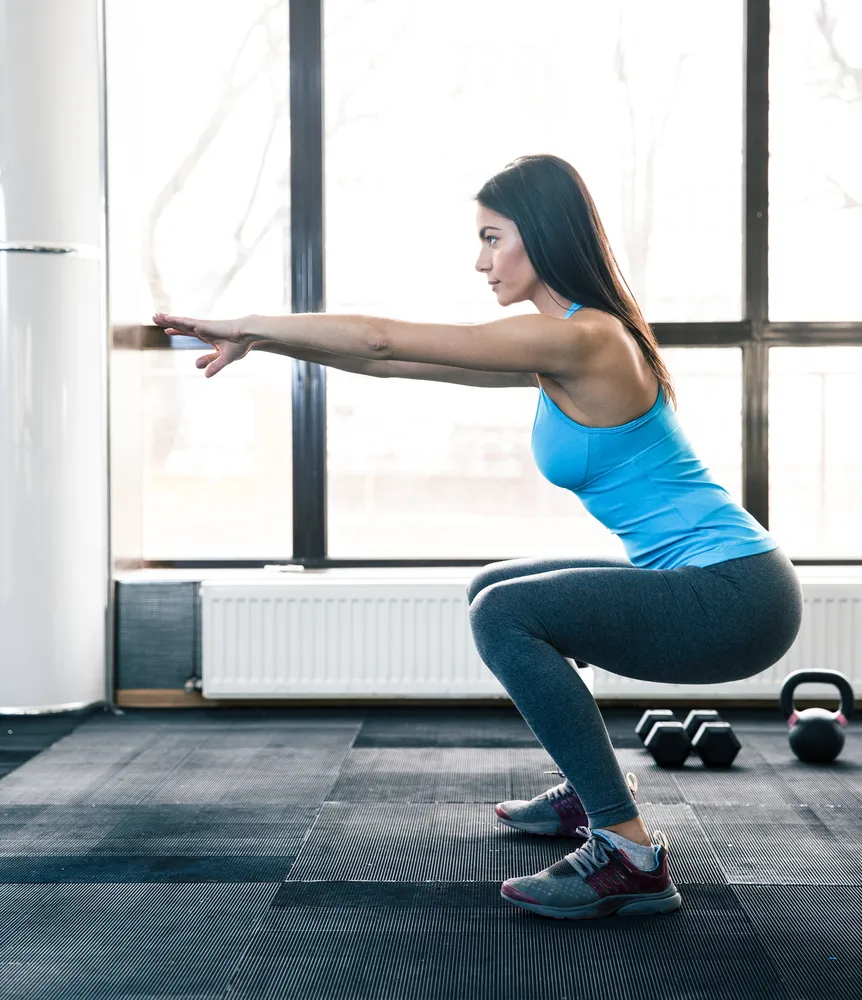
Squats are a staple in any strength training or rehabilitation program for a reason—they target multiple muscle groups, improve joint mobility, and reinforce proper movement mechanics. But when your hips start to ache during or after squatting, it’s a sign that something’s not quite right. For many active individuals and athletes, hip pain can creep in subtly and gradually become a limiting factor in performance or daily comfort.
Whether you’re a seasoned lifter or just trying to stay active, pain during squats isn’t something to ignore or “push through.” In fact, where and when that pain appears can offer valuable clues about what’s going on beneath the surface. In this blog, we’ll break down the most common causes of hip pain during squats, how to interpret the type and location of discomfort, and how targeted physical therapy can help you move pain-free again—especially if you’re local to Hudson, MA.
READ:
Common Causes of Hip Pain During Squats
Hip pain during squats can arise from a variety of factors—some structural, some muscular, and some mechanical. Identifying the underlying cause is the first step toward resolving the issue and returning to pain-free movement. Here are some of the most common contributors:
Femoroacetabular Impingement (FAI)
FAI occurs when the bones of the hip joint don’t fit together perfectly, often due to bony overgrowths at the femoral head or acetabulum. This can cause the bones to rub during movement—especially at the bottom of a squat—resulting in pinching or sharp pain at the front of the hip. FAI is common in active individuals and often worsens with deep flexion.
Labral Irritation or Tears
The labrum is a ring of cartilage that lines the hip socket and helps maintain joint stability. Repetitive stress from squatting—especially under heavy loads or with poor form—can lead to labral irritation or even small tears. This type of pain often presents as a deep ache or catching sensation within the joint.
Muscle Imbalances and Tightness
Tight hip flexors, underactive glutes, or weak core stabilizers can all alter the mechanics of a squat. When muscles don’t fire in the correct sequence or fail to stabilize the hip, stress gets redistributed unevenly across the joint. Over time, this can lead to inflammation, discomfort, and reduced performance.
Squat Technique and Load Management
Even the most mobile and strong individuals can experience hip pain if their squat technique is off. Common faults like excessive forward lean, knees collapsing inward (valgus), or feet positioned too narrowly or too widely can all change hip loading patterns. Similarly, ramping up load or volume too quickly without adequate recovery can overstrain the joint and surrounding tissues.
What Your Pain Location Reveals
Not all hip pain is created equal. In fact, where you feel discomfort during squats can offer important clues about the underlying issue. By tuning into the location of your symptoms, physical therapists can better pinpoint the cause—and create a more effective recovery plan.
Front of Hip (Anterior Pain)
Pain at the front of the hip is often linked to femoroacetabular impingement (FAI), labral stress, or tight hip flexors. This type of discomfort typically shows up when the hip is in deep flexion, especially in low squats. It may feel like a pinch or sharp jab and can worsen with repetition or prolonged sitting afterward.
Side of Hip (Lateral Pain)
Discomfort along the outer hip often stems from muscular imbalances, particularly involving the gluteus medius and minimus. Weakness or overuse in this region can lead to poor pelvic control during squats, resulting in strain on the lateral hip structures. It may feel like a dull ache or tenderness when pressing on the outer hip.
Deep or Internal Hip Pain
A sensation of pain deep within the hip joint can suggest more complex intra-articular issues, like labral damage or joint surface irritation. This type of pain may be harder to localize and often accompanies sensations of clicking, locking, or instability during movement.
Understanding the location and nature of your pain provides key insights into both diagnosis and treatment—and it’s why a personalized evaluation is essential for long-term resolution.
When to Seek Help: Signs You Shouldn’t Push Through
It’s easy to dismiss mild hip discomfort during a workout, especially if it seems to fade once you stop squatting. But ignoring pain can lead to longer-term problems that are harder to fix. Knowing when to pause and get professional help can prevent minor issues from turning into major setbacks.
READ: Performance Physical Therapy for Athletes in Hudson
Acute vs. Chronic Pain Signals
If you feel a sudden, sharp pain while squatting—especially one that stops you mid-movement—that’s a strong signal to stop immediately. Acute pain may indicate a structural issue like a labral tear or joint impingement. On the other hand, pain that persists for several weeks, even at a low level, is considered chronic and deserves attention too. Chronic discomfort can signal ongoing mechanical stress that needs to be addressed.
Indicators for Professional Evaluation
Some warning signs that you should consult a physical therapist include:
- Pain that worsens with each workout
- Lingering soreness that doesn’t resolve with rest
- Clicking, locking, or catching sensations in the hip
- Feeling like the hip is unstable or “giving out”
These symptoms suggest more than simple muscle soreness—they could point to deeper joint or tissue involvement. The sooner you identify the root cause, the faster you can correct it and get back to squatting with confidence.
How Physical Therapy Can Help (Especially If You're in Hudson, MA)
When hip pain starts to interfere with your ability to squat, lift, or move confidently, it’s time for a deeper look. At Move Strong Physical Therapy in Hudson, MA, our physical therapists specialize in evaluating the root cause of pain—not just treating the symptoms.
Individualized Assessment and Hands-On Treatment
Every case of hip pain is different. That’s why our first step is a detailed assessment of your mobility, strength, and movement mechanics. We examine how your hips, pelvis, and spine interact during squats to uncover imbalances or limitations that may be contributing to discomfort.
Once we’ve identified the underlying issues, we tailor a treatment plan that may include:
- Manual therapy to improve joint and soft tissue mobility
- Guided mobility drills and activation exercises
- Neuromuscular re-education to restore healthy movement patterns
This approach helps not only reduce pain but also correct the movement dysfunctions that caused it.
Corrective Strategies for Long-Term Relief
Squatting shouldn’t hurt—but it also shouldn’t be avoided. Our goal at Move Strong Physical Therapyis to help you return to squatting better than before. That means focusing on long-term solutions: improving hip function, building resilience, and reinforcing technique.
Whether you’re dealing with hip pinching, tightness, or instability, targeted therapy can help you get stronger, move better, and prevent future issues—without giving up the activities you love.
READ: Comprehensive Rehabilitation for Injured Athletes
Don’t Work Around Pain—Work Through It, Smarter
Hip pain during squats isn’t just a nuisance—it’s a signal that something in your movement system needs attention. Whether it’s joint impingement, muscle imbalance, or a technique flaw, the solution isn’t to stop squatting altogether—it’s to address the cause with a smarter approach.
At Move Strong Physical Therapy in Hudson, MA, we help active individuals decode what their pain is trying to tell them. Through personalized assessments, hands-on care, and corrective strategies, we empower you to move better, not just temporarily, but for the long haul.
If squats are leaving you sore for the wrong reasons, don’t settle for discomfort. Reach out to our team to find out how physical therapy can help you reclaim confident, pain-free movement—starting now.