An ACL (anterior cruciate ligament) injury can be a devastating setback for athletes, often requiring months of rehabilitation and affecting long-term performance. Whether you play soccer, basketball, football, or any high-impact sport, an ACL tear can put you on the sidelines and increase the risk of future knee issues if not properly treated.
The good news? Most ACL injuries can be prevented with the right training and movement strategies. And for those recovering from an ACL tear, physical therapy plays a critical role in rebuilding strength, stability, and confidence.
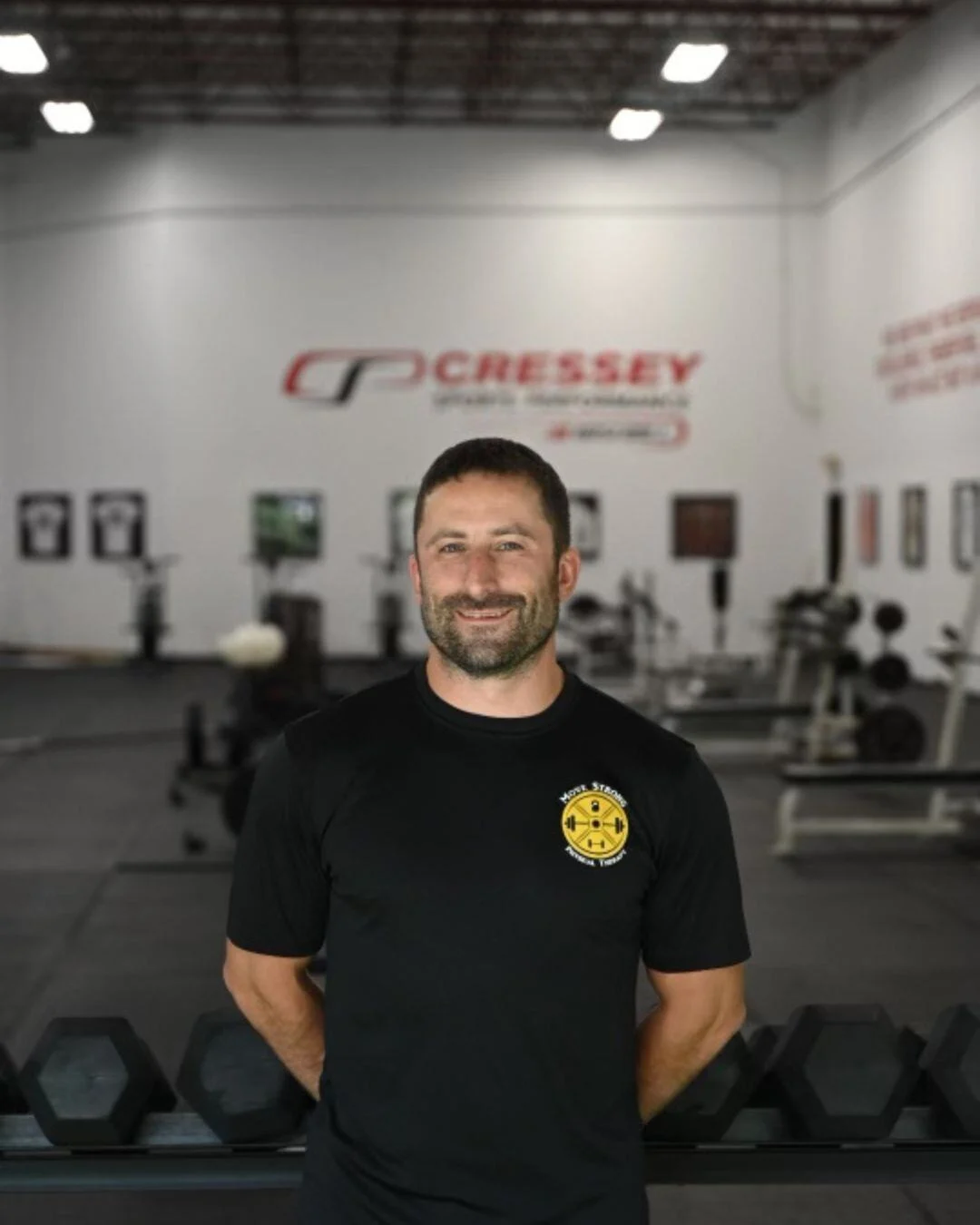
At Move Strong Physical Therapy in Hudson, MA, we specialize in ACL prevention and recovery programs designed for Massachusetts athletes. In this guide, we’ll explore how ACL injuries happen, key prevention strategies, and what to expect during recovery.
Read more articles:
Drills for Recurrent (Chronic) Ankle Sprains
How to Get Better Shoulder Rotation
How to Best Strengthen Your Achilles

Understanding ACL Injuries: Causes and Risk Factors
The anterior cruciate ligament (ACL) is one of the most important stabilizing structures in the knee. It helps control movement and prevents excessive forward motion of the shin bone. However, athletes in high-impact and cutting sports are at a greater risk of tearing their ACL due to the intense demands placed on their knees.
How ACL Tears Happen
ACL injuries are often the result of:
- Sudden Stops and Changes in Direction – Common in sports like soccer and basketball.
- Improper Landing Mechanics – Landing with the knees caving inward can increase strain on the ACL.
- Direct Contact or Collisions – Common in football and other contact sports.
- Weakness in Supporting Muscles – When the glutes, hamstrings, and quadriceps don’t work together efficiently, more stress is placed on the knee joint.
Common Risk Factors for Athletes
Athletes who are at a higher risk for ACL injuries typically have:
- Poor neuromuscular control – Weak stabilizing muscles increase stress on the knee.
- Limited hip and ankle mobility – Restricted movement leads to compensations that overload the knee.
- Muscle imbalances – Strong quadriceps but weak hamstrings can increase ACL strain.
- Inadequate warm-up routines – Skipping proper dynamic stretching can lead to stiffness and reduced control.
Understanding these risk factors allows athletes to take proactive steps to strengthen their knees and improve movement mechanics, reducing the chances of ACL injury.
How to Prevent ACL Injuries in Sports
While ACL injuries can be serious, many are preventable with the right training approach. Athletes who focus on strength, mobility, and proper movement mechanics can significantly lower their risk of injury.
Strength Training for Knee Stability
A well-balanced strength training program helps support the knee joint and prevent excessive strain on the ACL. Key exercises include:
- Glute and hamstring strengthening (hip bridges, Romanian deadlifts) to balance the quadriceps.
- Single-leg exercises (step-ups, Bulgarian split squats) to improve knee control.
- Core and hip stability training (planks, lateral band walks) to enhance overall body coordination.
Proper Landing Mechanics and Agility Drills
Many ACL injuries occur during landing and quick changes of direction. Physical therapy can help athletes:
- Practice controlled landings to prevent knees from caving inward.
- Incorporate agility drills to develop better neuromuscular control.
- Improve reaction time to adjust body positioning in high-intensity movements.
The Importance of Mobility and Flexibility
Stiff joints and tight muscles increase the risk of ACL injuries. Athletes should focus on:
- Hip and ankle mobility drills to allow for proper movement patterns.
- Quadriceps and hamstring stretching to maintain muscle balance.
- Dynamic warm-ups before activity to prepare muscles and joints for high-impact movement.
By combining strength, agility, and mobility work, athletes can train their bodies to move more efficiently and safely, reducing ACL injury risk.
Read more articles from our blog:
Is Surgery Needed for a Meniscus Tear?
2 Exercises for Elbow Pain
How to Best Strengthen Your Achilles
Drills for Recurrent (Chronic) Ankle Sprains
Rehabilitation After an ACL Injury
Recovering from an ACL injury is a gradual process that requires structured physical therapy to regain strength, stability, and confidence in movement. A well-designed rehabilitation program ensures that athletes can return to their sport safely without risking reinjury.
The Phases of ACL Rehab
ACL rehabilitation is divided into key stages:
- Early Recovery (Weeks 1-6)
- Focus on reducing swelling and regaining basic knee movement.
- Gentle range-of-motion exercises and muscle activation drills.
- Strength Rebuilding (Weeks 6-12)
- Progressive strengthening of the quadriceps, hamstrings, and glutes.
- Controlled weight-bearing activities to improve stability.
- Advanced Strength and Neuromuscular Control (Months 3-6)
- Single-leg stability drills and plyometrics to restore movement confidence.
- Sport-specific exercises to prepare for return to play.
- Return to Sport (Months 6-12)
- Full-speed agility drills and cutting maneuvers.
- Performance testing to assess readiness for competition.
The Role of Sports Physical Therapy in Recovery
A sports-focused physical therapist helps guide athletes through each stage by:
- Monitoring progress and adjusting exercises based on recovery speed.
- Ensuring proper movement mechanics to prevent reinjury.
- Rebuilding strength and agility to match pre-injury performance levels.
How Progressive Training Prevents Reinjury
One of the biggest risks after ACL surgery is returning to sports too soon. A structured return-to-play program includes:
- Strength and balance testing to ensure knee stability.
- Gradual exposure to high-impact movements to build confidence.
- Reinforcement of proper landing and cutting techniques to avoid reinjury.
By following a progressive rehabilitation plan, athletes can return to competition stronger, more resilient, and better prepared to prevent future injuries.
Why Massachusetts Athletes Trust Move Strong Physical Therapy
When recovering from an ACL injury—or working to prevent one—expert guidance from a skilled physical therapist is essential. At Move Strong Physical Therapy in Hudson, MA, we provide individualized care tailored to each athlete’s sport, movement patterns, and recovery needs.
Expert Care for ACL Prevention and Rehab
Our physical therapists specialize in ACL injury prevention, rehabilitation, and return-to-sport training. We help athletes by:
- Conducting movement assessments to identify injury risks before they happen.
- Creating customized strength and stability programs to protect the ACL.
- Providing sport-specific rehab to ensure a safe, effective return to competition.
Personalized Programs for Athletes
No two ACL injuries—or athletes—are the same. That’s why we develop customized recovery and prevention plans based on:
- The athlete’s sport and position (basketball, soccer, football, etc.).
- Biomechanical movement patterns that may increase stress on the knee.
- The athlete’s strengths, weaknesses, and return-to-play goals.
Advanced Movement Assessments for Injury Prevention
At Move Strong PT, we use evidence-based assessments to identify weak links in an athlete’s movement. By improving landing mechanics, agility, and knee stability, we help athletes reduce ACL injury risk and move with confidence.
By choosing Move Strong Physical Therapy, Massachusetts athletes can stay strong, mobile, and injury-free, whether they’re recovering from an ACL tear or working to prevent one.
ACL injuries can be devastating for athletes, but with the right prevention strategies and rehabilitation plan, you can stay strong, recover fully, and reduce your risk of reinjury. Whether you're an athlete looking to prevent ACL issues or recovering from surgery, physical therapy plays a critical role in keeping your knees healthy and movement efficient.
At Move Strong Physical Therapy in Hudson, MA, we provide expert ACL prevention and rehabilitation programs designed to help athletes train smarter, recover faster, and return to competition with confidence.
Take the Next Step Toward ACL Injury Prevention & Recovery
Don’t wait until an ACL injury sidelines you—schedule a consultation with Move Strong Physical Therapy today and take a proactive approach to protecting your knees and improving your performance.