For basketball and volleyball players, jumping is a fundamental part of the game. However, the explosive movements, quick landings, and sudden direction changes put these athletes at a high risk for ACL (anterior cruciate ligament) injuries. A torn ACL can mean months of rehab, lost playing time, and even long-term knee instability if not properly addressed.
At Move Strong Physical Therapy in Hudson, MA, we specialize in helping athletes prevent ACL injuries and recover safely when injuries do occur. Through strength training, movement assessments, and targeted rehabilitation, basketball and volleyball players can protect their knees, improve performance, and stay on the court longer.
In this guide, we’ll explore why jumping athletes are at higher risk for ACL injuries and how physical therapy plays a crucial role in injury prevention and recovery.
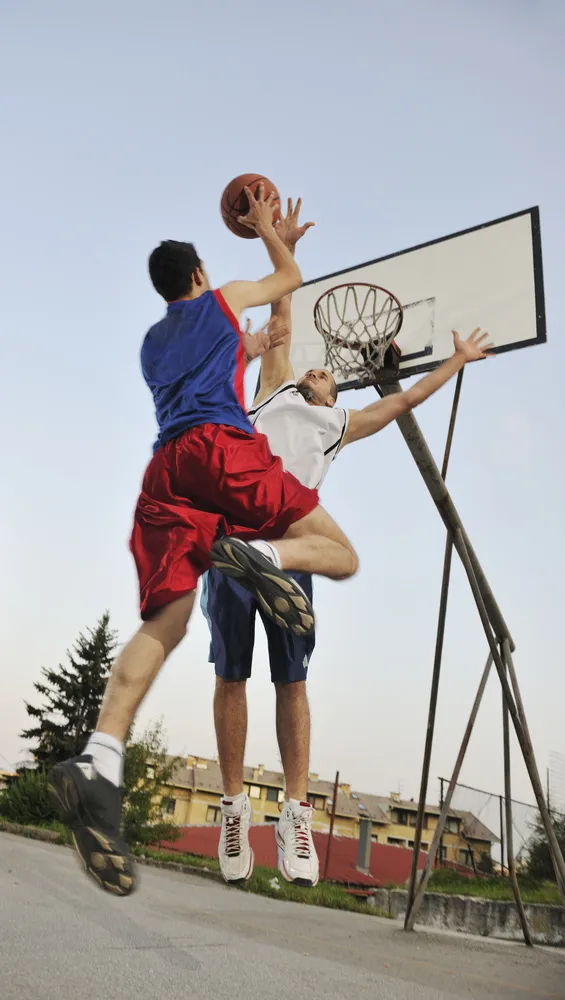
Why Jumping Athletes Are at Higher Risk for ACL Injuries
Basketball and volleyball players constantly put stress on their knees with explosive jumps, quick stops, and sudden changes in direction. These movements significantly increase the risk of ACL injuries, especially if proper mechanics and muscle balance aren’t maintained.
The Impact of Frequent Jumping and Quick Direction Changes
- Landing with poor knee alignment (knees caving inward) puts excessive strain on the ACL.
- Rapid pivots and lateral movements can overstretch or tear the ligament.
- Repeated jumping without proper strength and stability leads to wear and tear over time.
Common Mechanical Issues That Increase ACL Injury Risk
Many ACL injuries happen due to underlying movement dysfunctions rather than direct contact. Risk factors include:
- Weak glutes and hamstrings, leading to excessive knee strain.
- Limited ankle and hip mobility, forcing the knee to absorb too much impact.
- Poor core stability, reducing overall body control during jumps and landings.
By addressing these weaknesses, athletes can reduce their risk of ACL injuries and improve overall performance.
Key ACL Injury Prevention Strategies for Basketball and Volleyball Players
Preventing ACL injuries requires a comprehensive approach that strengthens the lower body, improves movement mechanics, and enhances flexibility. By incorporating targeted training and conditioning, basketball and volleyball players can reduce stress on their knees and improve overall athletic performance.
Strength Training for Knee Stability and Lower Body Strength
Building strength in key muscle groups helps protect the ACL by providing better joint support and stability. Essential exercises include:
- Glute Bridges & Hip Thrusts – Strengthen the glutes to stabilize the knees during jumps.
- Hamstring Curls & Nordic Hamstring Drops – Reduce ACL strain by balancing quadriceps dominance.
- Single-Leg Squats & Bulgarian Split Squats – Improve knee control and lower body stability.
Plyometric Training for Proper Landing Mechanics
Jumping and landing correctly can significantly reduce the risk of ACL injuries. Key drills include:
- Box Jumps with Controlled Landing – Focuses on soft, stable landings to prevent knee collapse.
- Depth Jumps – Trains the body to absorb impact safely.
- Lateral Bounds & Agility Drills – Strengthens knee stability during quick directional changes.
Mobility and Flexibility Work to Reduce Knee Strain
Tight muscles can lead to compensations that increase stress on the ACL. Important flexibility exercises include:
- Hip Flexor & Quad Stretches – Improve hip mobility for better movement mechanics.
- Ankle Mobility Drills – Allow proper foot positioning to reduce knee stress.
- Dynamic Warm-Ups – Prepares muscles and joints for high-impact activity.
By implementing these ACL injury prevention strategies, athletes can enhance knee stability, improve coordination, and reduce injury risk during competition.
The Role of Physical Therapy in ACL Injury Prevention and Recovery
Physical therapy plays a critical role in both preventing ACL injuries and helping athletes recover safely after an ACL tear. Through personalized movement assessments, strength training, and rehabilitation programs, a physical therapist ensures that basketball and volleyball players can stay strong, agile, and injury-free.
How Movement Assessments Identify Risk Factors
At Move Strong Physical Therapy in Hudson, we use detailed movement screenings to detect:
- Muscle imbalances that increase stress on the knee.
- Poor landing mechanics that put athletes at risk for ACL tears.
- Weak stabilizing muscles that lead to improper movement patterns.
By identifying these weaknesses, a physical therapist can design a customized program to correct imbalances and reinforce proper mechanics.
Read more articles:
Drills for Recurrent (Chronic) Ankle Sprains
How to Get Better Shoulder Rotation
How to Best Strengthen Your Achilles
Sports-Specific Rehab for Strength, Balance, and Agility
For athletes recovering from an ACL injury, progressive rehabilitation is essential to regain full strength and function. A sports-focused PT program includes:
- Strength training to rebuild knee stability.
- Balance and proprioception exercises to restore body control.
- Agility drills to ensure a safe return to competition.
Post-Injury Rehabilitation for Safe Return to Play
Recovering from an ACL tear requires structured rehabilitation to prevent re-injury. Physical therapy helps athletes:
- Gradually regain strength and mobility without overloading the knee.
- Retrain movement patterns to avoid future ACL strain.
- Follow a sport-specific return-to-play protocol for a safe comeback.
By working with a sports physical therapist, basketball and volleyball players can reduce ACL injury risk, recover faster, and safely return to peak performance.
Why Choose Move Strong Physical Therapy in Hudson?
When it comes to ACL injury prevention and rehabilitation, working with experienced sports physical therapists can make all the difference. At Move Strong Physical Therapy in Hudson, MA, we provide specialized care for basketball and volleyball players, helping them stay injury-free and recover efficiently.
Expert Care for Jumping Athletes
Our physical therapists understand the unique demands of jumping sports and offer:
- Comprehensive movement assessments to identify injury risks.
- Customized ACL prevention programs tailored to each athlete.
- Advanced rehabilitation techniques to ensure a safe and effective recovery.
Personalized Treatment for Injury Prevention and Recovery
At Move Strong PT, we don’t believe in a one-size-fits-all approach. Instead, we create individualized treatment plans that focus on:
- Strength and mobility training to improve knee stability.
- Landing mechanics and agility drills to enhance movement control.
- Return-to-sport testing to ensure athletes are fully prepared for competition.
By choosing Move Strong Physical Therapy, athletes can train smarter, reduce their risk of ACL injuries, and stay on the court or court longer.
ACL injuries are a major concern for basketball and volleyball players, but with the right training, movement strategies, and physical therapy, athletes can reduce their risk and stay in the game.
At Move Strong Physical Therapy in Hudson, MA, we specialize in ACL injury prevention, rehabilitation, and performance optimization. Whether you're looking to improve landing mechanics, build knee stability, or recover from an ACL tear, our expert team is here to help.
Take the Next Step Toward Injury Prevention
Don't wait until an injury sidelines you—schedule a movement assessment with Move Strong Physical Therapy today and take a proactive approach to protecting your knees, improving performance, and staying competitive.